
Bathroom Moisture Solutions for a Healthier Home

Bathrooms are exposed to more moisture than most other rooms in the home. Daily showers, baths, and sink use introduce significant amounts of water vapor into the air. When that moisture has nowhere to go, it can settle on walls, ceilings, mirrors, cabinetry, and fixtures.
Over time, excess moisture in bathrooms can affect both your home and your indoor environment. Lingering dampness can contribute to musty odors, material deterioration, and poor air quality. The good news is that a few proactive habits and upgrades can help keep your bathroom dry, comfortable, and healthier for everyone in your home.
Why Excess Bathroom Moisture Is a Problem
A certain amount of bathroom humidity is unavoidable. The challenge arises when moisture remains trapped in the room long after a shower or bath has ended.
Warm, humid air naturally seeks cooler surfaces, resulting in condensation. Repeated exposure to damp conditions can encourage mildew growth and create an environment where bathroom mold may develop.
Over time, trapped moisture can damage drywall, discolor paint, loosen wallpaper, and shorten the lifespan of wood-based materials. It can also contribute to mirror desilvering, sometimes called mirror rot, which often appears as dark spots or black edges around the perimeter of a mirror.
How to Get Rid of Moisture in Bathrooms

No single product or habit solves the problem on its own. The most effective bathroom moisture solutions focus on improving airflow, limiting condensation, and preventing water from collecting where it can cause damage.
1: Monitor humidity levels
Many homeowners underestimate how much moisture accumulates during daily bathroom use.
Persistent condensation, recurring mildew, musty odors, and slow drying times may indicate that moisture levels are remaining elevated for too long.
A simple hygrometer can help track humidity to identify patterns and spot potential problems before they lead to costly repairs.
2: Improve bathroom ventilation
One of the most impactful ways to manage moisture is through proper bathroom ventilation.
A properly sized bathroom exhaust fan removes humid air before it can settle on surfaces. Run the bathroom fan during showers and for at least 20 minutes afterward to help clear lingering humidity and prevent moisture from accumulating.
Homes with older or undersized fans may benefit from an upgrade that moves more air and operates more efficiently. If your bathroom includes a window, opening it during and after showers can further improve airflow.
3: Reduce steam at the source
Small changes to your routine can help reduce the amount of moisture released into the room.
Very hot showers generate large amounts of steam, quickly increasing bathroom humidity levels. Slightly lowering the water temperature can reduce steam production while still providing a comfortable shower experience.
After bathing, leave the bathroom door open when possible to help humid air circulate into larger areas of the home.
4: Address condensation quickly
When warm, humid air contacts cooler surfaces, water droplets form on mirrors, windows, walls, and fixtures. Over time, repeated exposure to condensation can lead to staining, material deterioration, and mold growth.
Wiping down mirrors, windows, shower doors, and countertops after use can help remove moisture before it has a chance to collect.
5: Address hidden sources of moisture
Not all moisture problems come from steam and humidity. Water leaks and damaged seals can introduce moisture behind walls, beneath flooring, and inside cabinetry where problems may go unnoticed for long periods.
Inspect plumbing fixtures regularly for leaks, especially beneath sinks, around toilets, and near supply lines. Even a slow drip can cause significant damage over time.
It's also important to check caulk and grout periodically. Cracked, missing, or deteriorating seals can allow water to penetrate surrounding materials, creating ideal conditions for mold growth and moisture-related issues.
6: Choose moisture-resistant materials
With constant exposure to humidity, bathroom material selection is an important part of long-term moisture management.
Moisture-resistant paint, durable flooring products, and bathroom-rated cabinetry can help minimize the effects of daily humidity. Luxury vinyl, ceramic tile, and porcelain tile are common flooring choices for bathrooms, while satin and semi-gloss finishes are often used on walls and trim because they are easy to clean and maintain.
Decorative elements should also be chosen with bathroom conditions in mind. A framed bathroom mirror can help complete the style of your space while providing a finishing touch designed for a moisture-prone environment.
Upgrade Your Bathroom With a Custom-Crafted MirrorMate Frame

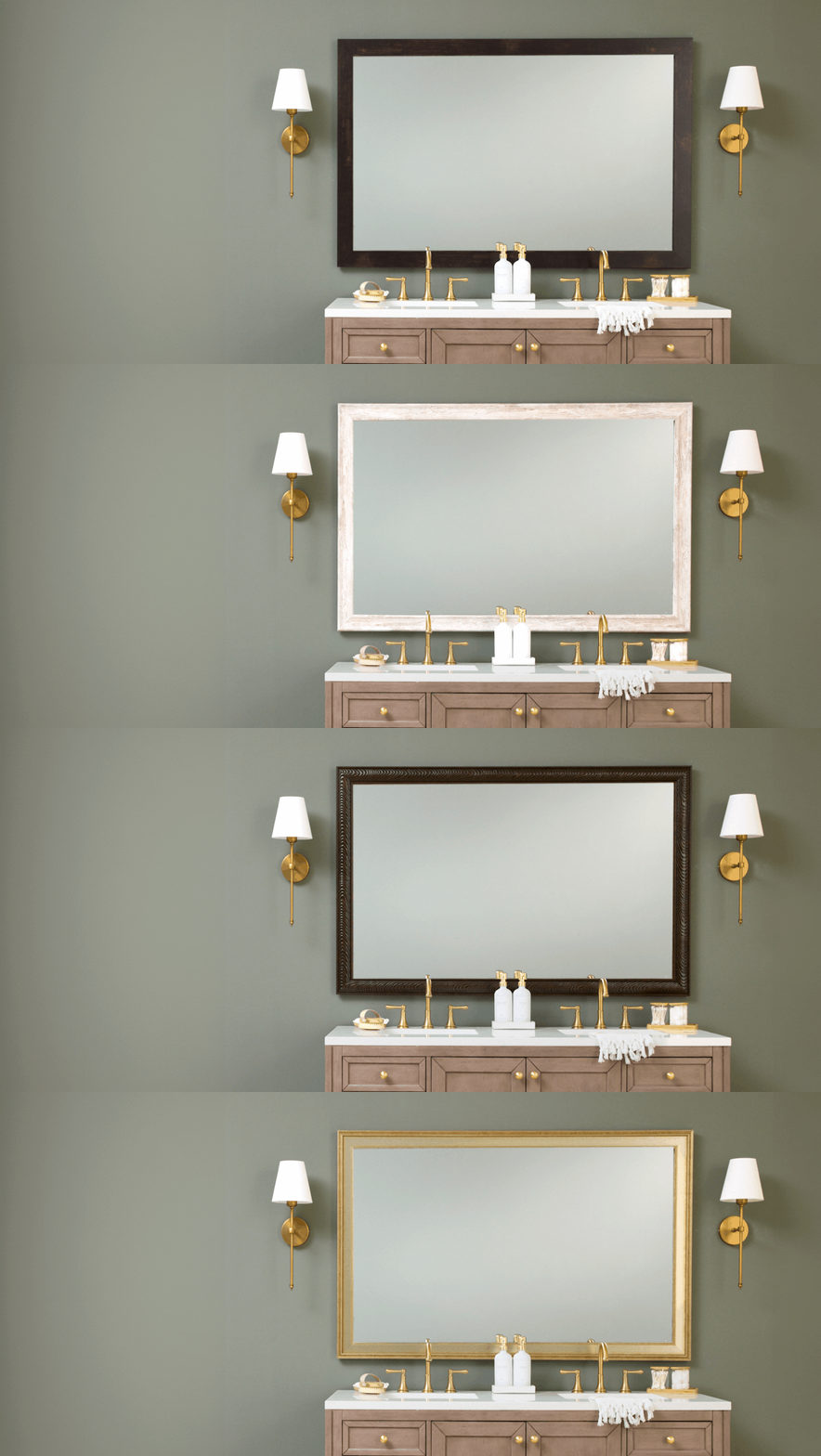
If your existing mirror is showing signs of desilvering, replacing it isn't always necessary. A MirrorMate frame can instantly update the look of a builder-grade mirror while concealing worn edges and creating a polished, finished appearance.
MirrorMate mirror frames for bathrooms feature non-warping, moisture-resistant materials engineered to perform in humid conditions and backed by a 5-year warranty.
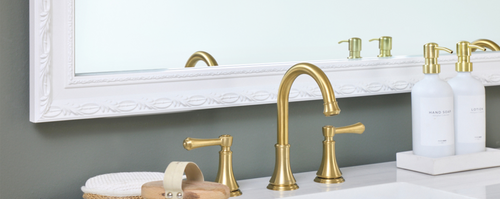
These custom-crafted bathroom mirror frames are designed to fit nearly any rectangular mirror, including mirrors that rest on a backsplash or meet a side wall. MirrorMate's patented design also covers exposed clips and metal channels, helping transform a plain wall mirror into a more refined focal point.
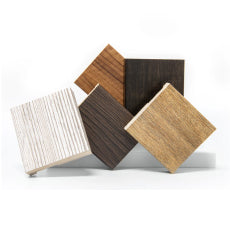
With more than 50 styles to choose from, it's easy to find a frame that complements your bathroom's design. Each frame is made to order and installs directly onto your existing mirror in less than 30 minutes.
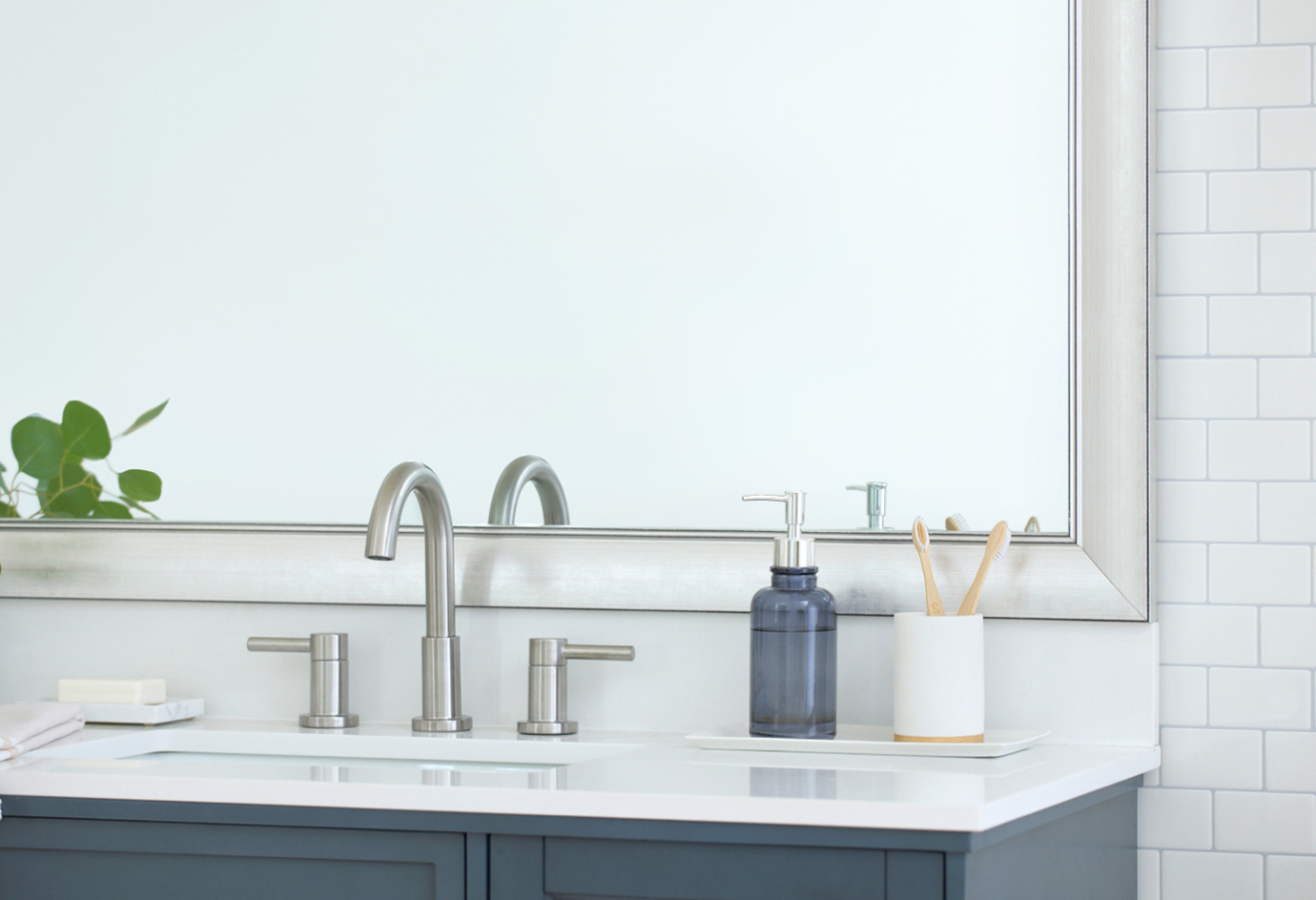
Choose from 65+ styles
This is a common question and there are so many finishes from silvers to brass.